

As the weather starts to heat up again, the figure that actually matters and not just the percentage of humidity in the air that your weather app reports, is the dew point. The dew point is the air temperature that must fall in order to precipitate as dew or to form condensate. In other words, it’s the temperature at which air that contains no moisture to start with would start to form dew.
What Dew Point Actually Measures
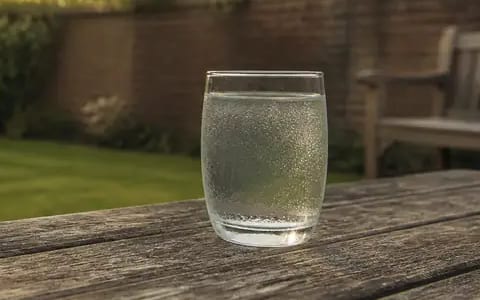
Dew point temperature is the temperature at which air, cooled with no change in its moisture content, would become saturated and start to form dew or condensation. The Met Office website provides a full explanation of how dew point temperature is defined in terms of the physical properties of air. Essentially the higher the dew point temperature the higher the actual amount of water vapour in the air regardless of the temperature.
How It Differs From Relative Humidity
Relative humidity measures how near the air is to saturation at the current temperature as a percentage. This can fluctuate throughout the day as the temperature changes and so does not give the same amount of information about the actual amount of moisture in the air as dew point. In practice forecasters are increasingly using dew point rather than relative humidity to measure mugginess.
Why Sweat Struggles To Evaporate
When we sweat, our body cools down by evaporation. To do this effectively, the air around us must be drier than our skin. When we walk outside on high dew point days, the air already contains a lot of moisture. When we sweat, the air can’t do anything with our sweat as it is full already. Thus, evaporation of our sweat is hampered and we get to feel that sticky, unpleasant sensation on our skin even though the temperature doesn’t seem to be that high.
A Simple UK Comfort Guide
The relationship between dew point and comfort is somewhat subjective. However, as a rough guide, dew point below 10°C is dry, 10-15°C is comfortable, 16-18°C is humid, 18-21°C is sticky and above 21°C is oppressive. Most days of the UK summer are likely to fall somewhere in the comfortable to notably humid part of this graph, but will have the odd very sticky day when the weather is settled and warm.
Two August Days, Same Humidity, Different Feel
It is not uncommon to see days when the relative humidity is 70% or so, but some feel mild while others are, quite literally, sticky. The second of these August days had a dew point of around 20°C, while the first had a dew point of about 12°C. Notice that the relative humidity for both days was 70%, yet the first felt quite fresh while the second felt like soup.
Why Foggy Mornings Don’t Feel Sticky
It’s worth noting that air that is 100% relative humidity at cold temperatures contains very little moisture in absolute terms. A cold October morning with a thick fog can have 100% relative humidity but still feel fresh. This is because the air is cold and therefore the air is saturated but there is very little moisture in the air. This would result in a dew point of around 0°C and thus there would be very little water vapour to stop evaporation and so you wouldn’t feel clammy.
Why Humid Air Feels Hotter Than The Thermometer
Most weather presenters, including the BBC’s, describe how dew point influences the weather in hot weather stories and explain why it is used in place of the humidity to describe mugginess. However, why does it feel so hot when the temperature is not high? The reason for this is that sweat on your skin is not evaporating quickly enough to cool you down. This is because your body is trying to cool itself down by evaporating sweat from your skin surface. However, when the air contains lots of moisture the process of evaporation is slow and thus your body is not able to cool itself down effectively. This is why it feels hotter than the actual temperature.
A High Dew Point at Home.
Run your kitchen and bathroom extractor fans to remove moist air before it spreads throughout your home and makes things worse. Open windows early in the morning and late in the evening when the temperature is cooler and there is less moisture in the air. Shut them during the day when it is hottest and most humid. A dehumidifier can also be used to remove excess moisture from the air to make your home more comfortable. It is particularly effective in bedrooms where high dew point nights can affect your sleep even with the use of a fan.
Frequently Asked Questions
What is the difference between humidity and dew point?
Relative humidity indicates the relative saturation of the air as a percentage, at the current temperature. However, as temperature falls, the percentage will also fall, even when the amount of moisture in the air remains constant. This makes relative humidity an unsuitable measure of the mugginess of the air. The dew point gives a more reliable indication of the mugginess of the air.
What dew point feels muggy?
Dew points of around 18°C and above start to feel sticky while 21°C and above is very muggy. Temperatures between 16-18°C are usually noticed to be very humid but not uncomfortable yet.
Why is 100% humidity not always uncomfortable?
The humidity is described as a percentage, but this only gives an indication of how saturated the air is in relation to the air’s temperature. The absolute quantity of moisture in the air can vary greatly. For example, cold air with 100% relative humidity contains very little water in absolute terms, so it doesn’t affect the body’s cooling function and doesn’t feel sticky.
Why does humid air feel hotter?
When air is very moist the process of evaporative cooling is slowed down. This means your body is not able to cool itself as effectively as it would on a drier day and consequently you will feel warmer.