This is the sort of thing that quietly runs the consumer economy. You know it's vague. The shop knows it's vague. And nothing happens because nobody's in charge of it.
Except now someone is trying to be.
The Green Claims Directive Arrives, Rolls Up Its Sleeves, and Immediately Has a Problem
The EU's Green Claims Directive came together in 2024 and is working its way towards becoming actual enforceable law. The rules are designed to stamp out greenwashing – where brands slap words such as 'eco', 'natural' and 'conscious' onto products with nothing to back them up. Vague environmental claims will have to be substantiated, independently verified and be relevant to the product. Fine so far.
But then there's the word 'trend'. When you're writing rules on the sustainability claims of products, you very quickly bump into phrases like 'this season's trend' or 'buy now, refresh when trends change' that are used to sell fast production cycles – essentially to sell disposability. And to regulate that you have to define what a trend actually is.
This is where it gets genuinely strange.
Defining a Trend Is a Bureaucrat's Philosophical Nightmare
A trend only exists because enough people believe it to exist. It is, almost perfectly, a collective hallucination. Fashion editors decide something is coming and retailers order it. People see it everywhere and conclude it must be ‘the thing’, and so it becomes ‘the thing’. The belief creates the evidence that justifies the belief. There is no external fact to point to, such as a soil certification or a recycling facility.
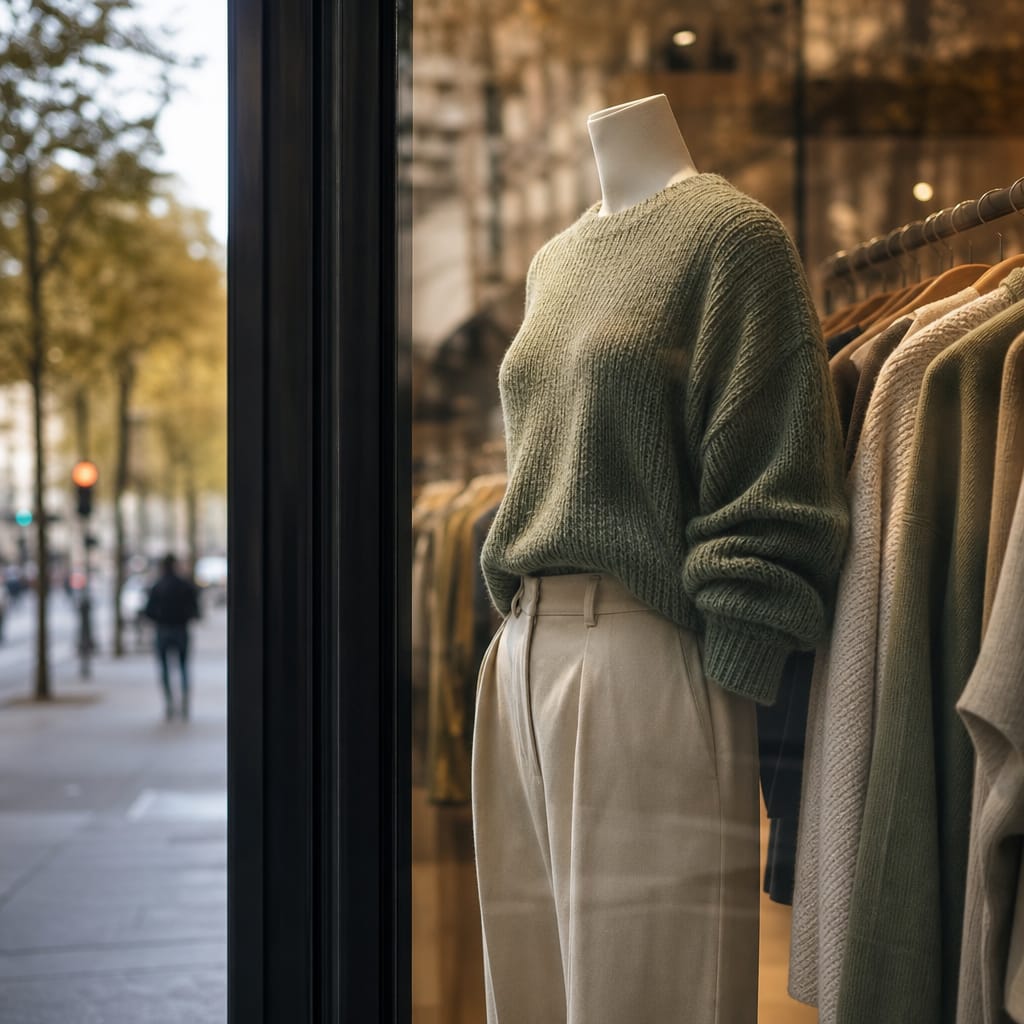
So how do you write that into law? What is the minimum number of people who must agree before something becomes a trend? And what is the shelf life of one – six months, a year or three years? And is a style from 2019 coming back a new trend or the old one returning? And does it count if it’s only trending in Shoreditch and not in Shrewsbury?
The drafters of this directive have had to grapple with all of this. Their working definition is: “A widely observable shift in consumer preference, documented across multiple markets, within a defined and recent time period”. Which is admirably thorough and also describes almost nothing that marketers actually mean when they say “trending”. What they mean is: we want you to feel this is urgent and that sitting it out is a social risk. That’s not a documented shift in consumer preference. That’s an instruction disguised as an observation.
What the Small Print Reveals
There is something larger going on here. By leaving the term ‘trend’ undefined the trend-making machinery can function. But by trying to pin down the term ‘trend’ we find out that ‘trend’ is not a description of what the world is doing – it’s a technique of persuasion. It tells us that other people are already doing something, that we are slightly behind, that time is running out. A company that sells windows in timber frames, a furniture maker who markets ‘trend-led upholstery’, anyone who has ever put ‘on-trend’ on a label – the word ‘trend’ is doing emotional work, not informational work.
The Green Claims Directive (in whatever form) has done something quietly useful simply by trying to define the thing. It's forced the question into the open: if "trend" means something specific and verifiable, say what. If it doesn't, stop using it as though it does.
It's a trend of sorts, and a well-documented one, that most of the fashion and homeware market is hoping very hard that the answer stays complicated long enough for the Green Claims Directive to be quietly softened in committee.
FAQ
What is the EU Green Claims Directive?
The Green Claims Directive refers to new EU legislation (agreed in 2024) that is currently still in the process of being turned into binding law. The main objective of the Green Claims Directive is to prevent greenwashing by requiring brands to back up claims made with terms such as ‘eco’, ‘natural’ or ‘conscious’ with evidence that is independently verified and relevant to the product.
Why does the Green Claims Directive need to define the word trend?
Because terms such as ‘this season’s trend’ are used to sell fast production cycles, essentially disposability. Regulating such sustainability claims meant that the drafters had to determine what a trend is. This is difficult because a trend has no external fact that can be referenced, as opposed to a soil certification, for example.
How does the Green Claims Directive define a trend?
The working definition of a trend is a shift in mass market consumer preference that can be observed and documented across multiple markets over a specific, recent time period. As the writer argues marketers typically use the term to create a sense of urgency around a purchase and imply that waiting is a social risk, this directive asks brands to provide evidence to back up their use of ‘trend’.
What does the Green Claims Directive mean for fashion and homeware marketing?
Marketers will be pushed to justify the use of the word ‘trend’ in their campaigns under this new working definition. The definition itself attempts to provide clarity to ‘trend’ but the writer suggests much of the fashion and homeware market will be hoping for softening in committee.