
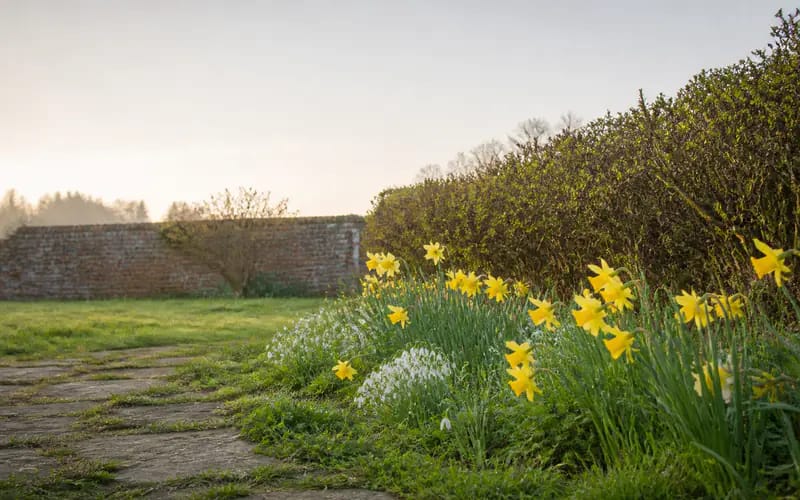
There are two dates for the start of spring. The date in your diary, gardening calendar or news report is the same every year and won’t have changed recently. The reason there are two different start dates for spring is because they answer different questions.
The Fixed Date Forecasters Use
The meteorological seasons are defined by the Meteorological Office as: Autumn – 1 September to 31 October; Winter – 1 December to 28/29 February; Spring – 1 March to 31 May; Summer – 1 June to 31 August. This allows for fixed dates for the start of and end of seasons for the purposes of year-on-year comparison for weather and climate.
The Date Tied to the Sun
Astronomical spring begins with the March equinox, the day of the year when the sun is exactly over the Equator, and ends with the June solstice. This year the date of the March equinox is Saturday 20 March 2010. The date of the March equinox can be worked out years in advance and is based on the earth’s orbit around the Sun. The Met Office guide to the March equinox explains more about this.
Why The Two Dates Drift Apart
The difference in days between the two spring dates is down to how each of the seasons is calculated. Meteorological seasons are defined by fixed dates for the start of three equal length months. Astronomical seasons on the other hand are defined by the position of the Earth in space. Because the Earth’s orbit is not perfectly evenly spaced in terms of calendar days, the dates of the equinoxes and solstices can vary by a day or so from year to year. The Royal Observatory in Greenwich has a detailed explanation of the reason for the variation in the date of the start of spring as defined by the Earth’s position in space and how it can vary from year to year.
Why Forecasters Stick With Fixed Months
Fixed seasons also enable comparison of March with March, or of spring with spring, from year to year. If the beginning of spring were to be defined by a date that varied from year to year by as little as one day, then every year-on-year comparison of temperature, quantity of rain, etc. would require adjustment to allow for the varying starting date. Such complication is best avoided in order to be able to build up reliable climate data and to be able to pick out trends from noise.
Does March Weather Match Either Date
Regardless of whether you use the meteorological or astronomical definition of spring, the weather in March in the UK is rarely calm and rarely like true spring. Often the month brings cold weather, with nights with frost and even with snow. But, that does not mean that spring has been late. March is after all a transitional month between winter proper and the milder weather that arrives in April and May.
What Gardeners Watch Instead
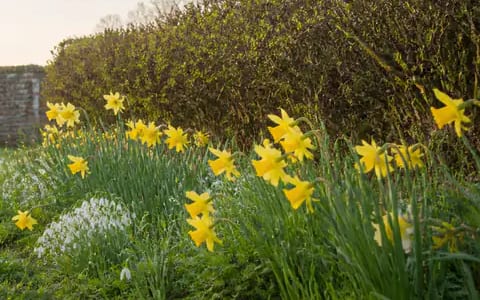
Of course there are more practical measures by which to determine the season. Lengthening days, warming soil, early bulbs such as snowdrops and crocuses all provide good indication of spring’s arrival. The Met Office’s own March page for what to do in the garden details how to make the most of the season’s early promise and notes how a single mild day in early March is unlikely to be followed by warm weather and that tender plants should not be sown until the soil has warmed up.