Hay fever season doesn’t start on one specific date and time in the UK. It actually runs as three separate seasons of pollen release from different plants over the space of three months, often overlapping, and so can affect people in different ways at different times of the year.
Tree Pollen Comes First
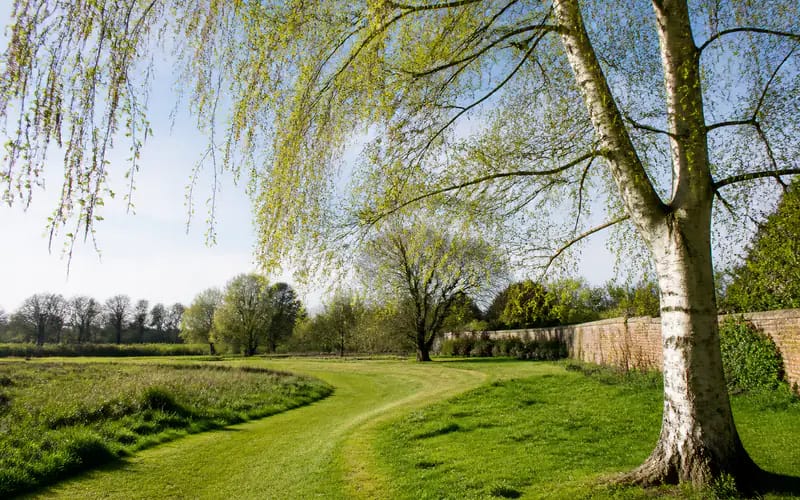
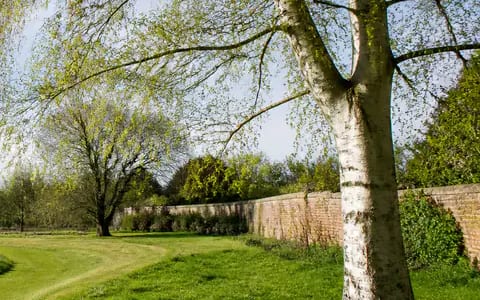
The first of the three pollen seasons begins at the end of March and lasts until mid-May. During this time tree pollen, particularly from Birch and Oak trees, is released in large amounts on mild, dry days. This means that people who suffer with hay fever in the UK, who get symptoms at Easter time, are likely to be affected by tree pollen not grass pollen.
Grass Pollen Affects The Most People
Grass pollen typically affects the majority of sufferers with hay fever in the UK during mid to late summer, typically from mid-May to July. Whilst there is some variation from year to year, many GP’s and Pharmacies notice an increase in people seeking help for hay fever in late Spring and early Summer, as Grass Pollen is by far the most prevalent type of pollen that affects people with hay fever in the UK.
Weed Pollen Is Often Missed
While tree pollen and grass pollen are the most well-known allergens, it’s often the weed pollen that causes problems for people who think they’ve got hay fever out of their system by late summer. Weeds such as nettles and docks release their pollen in late summer and can cause problems for several months. Some people find that their symptoms seem to carry on into August and September.
What A Pollen Count Actually Means
Pollen counts are measured in grains per cubic meter of air. The Met Office use different thresholds for different types of pollen. For example, a count of 50-150 grains/cu.m is considered to be high for grass pollen, while for birch pollen a count of 81-200 grains/cu.m is high. See the current pollen forecast for your region to find out today’s count and forecast for the next few days.
Why Warm Dry Days Make It Worse
Pollen counts tend to rise on warm, dry and windy days as the plants release their maximum amount of pollen which is then swept up by the wind. On rainy days the count will plummet as the rain washes out all the pollen from the air. It’s worth checking the forecast the evening before you go out and planning your day around high pollen days. If you know you’re going to be out and about on a warm, still and dry day then it’s best to stay indoors on arrival and change your clothes and wash your hair and face after being out in the pollen.
Matching Self-Help To The Weather
The NHS recommends that people with hay fevermake the following simple changes to help manage their symptoms. These need to be adapted depending on the weather: Vaseline on the nostrils to stop pollen entering the nose; sunglasses to stop pollen entering the eyes; showering and changing clothes after time outside to remove pollen from the day; keeping windows shut on high pollen days rather than opening them for ventilation.
Working Out Which Pollen You React To
Knowing when the different types of pollen come out will help you to work out which you are most allergic to and plan accordingly. The typical seasons for tree, grass and weed pollen are April to May for trees, May to July for grass and late June to September for weeds. By working out the typical start date of your symptoms you can work out which type of pollen you are most likely to be allergic to.
Hay Fever Checklist
Know which pollen you react to and its months
Keep an eye on the weather forecast for warm, dry, and windy days as these are when pollen counts are at their highest.
Vaseline around nostrils, wraparound sunglasses Shower and change after being outside Keep windows shut on high-count days